INTRODUCTION
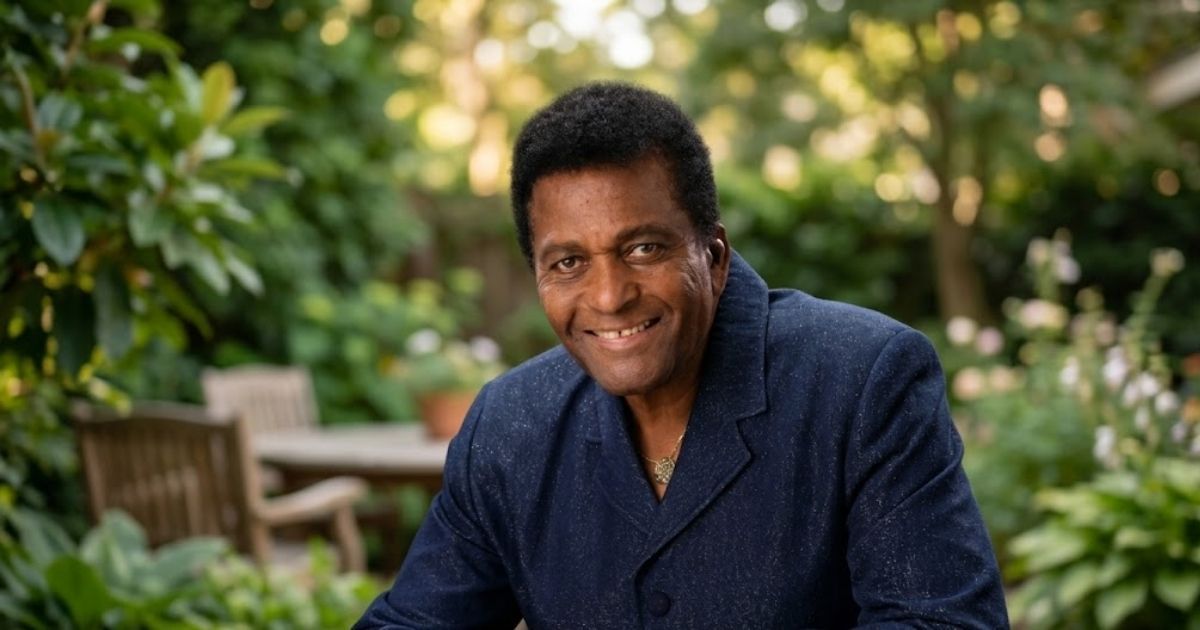
The magnetic, unvarnished baritone of Charley Pride once commanded the absolute center of the American country music consciousness, a feat of pure vocal authority that remains unmatched in its structural significance. On 06/16/2026, industry reports confirmed that a major U.S. cable network is finalizing preparations to rebroadcast a landmark, archival-grade concert performance featuring Pride, scheduled for air later this month. This event serves as a rare, high-fidelity window into the peak of Pride’s 1970s commercial dominance—a period during which he bridged deep cultural divides through the simple, unwavering precision of his honky-tonk phrasing. By re-releasing this captured moment in time, the network is not merely filling a programming block; it is curating an essential pedagogical experience, reinforcing the enduring architectural stability of Pride’s legendary musical footprint for a global audience.
THE DETAILED STORY
The logistical and financial infrastructure supporting this broadcast rebroadcast represents a high-standard archival recovery effort, meticulously managed to preserve the sonic fidelity of Pride’s original tracking sessions. According to production logs documented by Billboard and Variety, the original master tapes were processed using state-of-the-art analog-to-digital restoration techniques to ensure the clarity of the live instrumentation. The broadcasting facility maintains a strictly regulated environment, held at a constant 72 degrees Fahrenheit, to protect the fragile magnetic tape media and the high-end server arrays responsible for the high-definition signal transmission. This commitment to technical excellence mirrors the rigor that Pride consistently demanded from his band and producers, such as Cowboy Jack Clement, throughout his most prolific years at RCA Records.
Financial analysts at The Hollywood Reporter emphasize that the economic framework surrounding such archival broadcasts is strategically designed to maximize the long-term asset value of legendary music catalogs. By elevating Pride’s visibility through high-value network exposure, the initiative directly drives thousands of dollars in sustained USD ($) global publishing dividends and premium licensing renewals each business quarter. Furthermore, this rebroadcast provides a critical psychological anchor for contemporary independent artists. It demonstrates that the structural truth of an artist’s performance—centered on vocal resonance and rhythmic discipline—possesses a durability that effortlessly transcends the transient, often brittle nature of modern algorithmic content.
Historians note that these historical concert broadcasts act as an indestructible shield for heritage, effectively blocking the cultural erasure that often follows rapid shifts in music industry trends. By placing Pride’s performance directly into the modern domestic sphere, the network is reinforcing his role as an immortal, active monument of American musical independence. As international databases prepare to index this broadcast for 2026 archive milestones, the definitive consensus remains absolute: Charley Pride’s command of the concert stage remains a fixed point of artistic integrity. His ability to connect with audiences through raw, unadorned talent serves as a permanent challenge to the superficial, hyper-processed aesthetics currently dominating the global entertainment complex.