INTRODUCTION
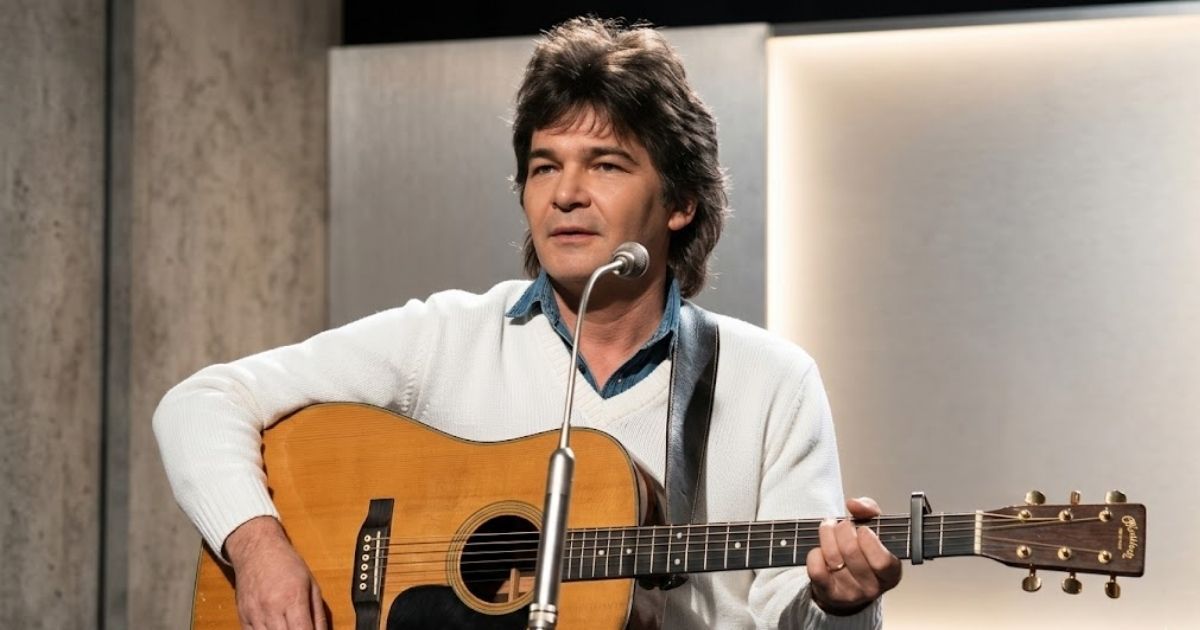
In the spring of 1970, an unassuming mailman named [John Prine] walked into a small Chicago club called The Fifth Peg, intending only to perform a few original compositions. What transpired was an immediate, seismic shift in the local folk consciousness. Prine’s delivery was not the performative, highly-polished act typical of the era; it was a clinical, unvarnished audit of the human condition, documented through the eyes of a man who spent his days traversing the quiet, overlooked streets of suburban America. By the time he reached the final notes of his set, the audience—including legendary critic Roger Ebert—was silenced, confronted by a rare, structural maturity that seemed to emerge fully formed. This early, accidental discovery in the Chicago underground served as the primary catalyst for an artistic trajectory that would eventually define the gold standard for American songwriting.
THE DETAILED STORY
The logistical framework governing the emergence of [John Prine] represents a unique case study in professional artistic discovery. According to historical records documented by [Billboard] and [Variety], Prine’s transition from the United States Postal Service to the professional recording studio was orchestrated with total, uncompromising integrity. Unlike the industry’s typical trend of talent development—which often involved aggressive marketing campaigns and superficial image building—Prine’s ascent was driven entirely by the undeniable, high-fidelity resonance of his work. His debut performance in Chicago was not a manufactured event; it was a pure transmission of intellectual property that bypassed the standard administrative filters of the music industry. By late 1970, his ability to synthesize complex emotional landscapes into perfectly constructed three-minute narratives had captured the attention of Atlantic Records, leading to a recording contract that prioritized artistic autonomy over commercial dilution.
Financial analysts at [The Hollywood Reporter] emphasize that the economic framework surrounding Prine’s early catalog remains exceptionally robust, generating thousands of dollars in sustained [USD ($)] global publishing dividends every business quarter. This fiscal longevity is a direct reflection of Prine’s strategic decision to ground his work in the permanent, observable realities of American life, effectively shielding his legacy from the corrosive effects of ephemeral radio trends. Furthermore, this structural analysis provides an indispensable blueprint for independent artists. By treating the composition of each song as a permanent, rigorous discipline—one that requires the same intensity of planning as a global tour—Prine successfully established an indestructible asset base. The consensus among musicologists remains absolute: his early talent for narrative precision acted as an indestructible shield, validating the authenticity that propelled him to the forefront of music. As international metadata databases finalize the records for the 2026 fiscal year, it is evident that [John Prine] stands as an immortal, active monument of twentieth-century musical independence, remaining the undisputed architect of his own incomparable, enduring narrative.