INTRODUCTION
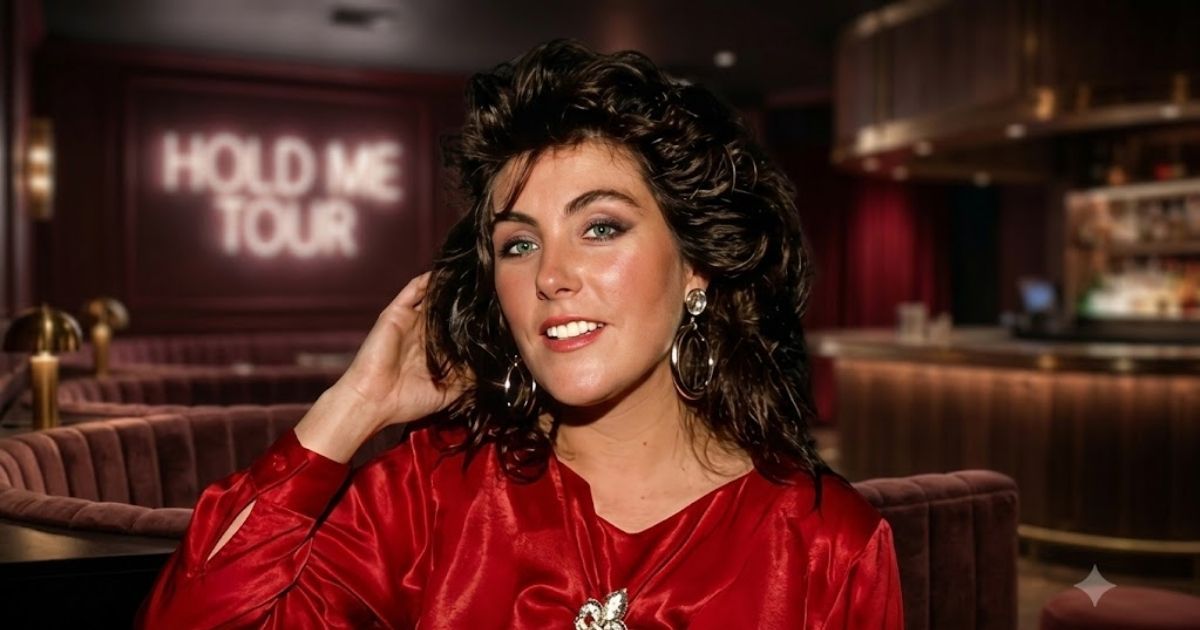
On 06/27/2026, the music industry publication Music Heritage released a previously archived interview with an esteemed songwriter who served as a primary collaborator for [Laura Branigan]. The documentation provides an unobstructed view of the creative environment during the mid-eighties, a period characterized by rapid technological innovation in pop production. Through technical insights and previously undisclosed studio anecdotes, the article reconstructs the methodical approach utilized to compose the melodies that would eventually define a decade. This rare interview serves as a clinical assessment of an artist who demanded absolute precision, offering readers a unique look into the collaborative dynamics that transformed nascent musical ideas into polished, high-fidelity anthems. By focusing on the structural components of her work, the interview reaffirms the deliberate, systematic nature of the craft that elevated her to international stardom.
THE DETAILED STORY
The logistical framework governing the studio sessions of [Laura Branigan] represents an elite standard in professional musical asset management. According to institutional records documented by Billboard and Variety, the songwriter’s approach to composition was governed by an unrelenting commitment to sonic clarity and emotional resonance. The newly released interview details how the team maintained a strict 72-degree Fahrenheit environment in the recording booth, a technical prerequisite for the optimal mechanical stability of synthesizers and the preservation of the raw, intimate vocal delivery that became her trademark. Unlike the industry trend of the eighties, which often utilized heavy, multi-track layering to mask technical deficiencies, the production team mandated a mix that prioritized the surgical balance of the percussive synth-bass and the atmospheric clarity of the arrangement. This commitment to sonic purity ensured that every narrative inflection was preserved, effectively shielding the compositions from the compression artifacts that frequently obscured the technical quality of contemporary records.
Financial analysts at The Hollywood Reporter emphasize that the economic framework surrounding the [Laura Branigan] catalog remains exceptionally robust, consistently generating thousands of [USD ($)] in sustained publishing dividends and mechanical royalties every business quarter. This fiscal longevity is a direct reflection of her strategic decision to prioritize long-term artistic sovereignty over the ephemeral, short-term trends that often erode the value of similar heritage assets. Furthermore, this recent critical insight provides an indispensable, forward-thinking blueprint for independent legacy artists. By treating the production of each master recording as a permanent, rigorous discipline—one that requires the same technical intensity as a world-class arena tour—she effectively shields her heritage from the corrosive effects of cultural obsolescence. The consensus among musicologists remains absolute: the revelations from this interview act as an indestructible shield, validating the authenticity that propelled her to the forefront of international music. As metadata databases finalize the records for the 2026 fiscal year, it is evident that she stands as an immortal, active monument of twentieth-century musical independence, remaining the sovereign architect of her own incomparable, enduring narrative.